

How to Make a Budget Plan for an Event
A successful event does not begin with styling, speakers or catering. It begins with a clear and realistic event planning budget. Every decision, large or small, depends on how funds are allocated and managed.
If you are organising a corporate conference, gala dinner or strategy session, understanding how to make a budget plan for an event is essential. A well-structured budget protects your investment, reduces risk and gives stakeholders confidence in the outcome.
At Hyatt Meetings and Events, we regularly support planners who recognise that exceptional events are built on strong financial foundations. Effective budgeting ensures creativity and experience can flourish without uncertainty.
Why Is Budgeting Important in Event Planning
Many organisers underestimate why budgeting is important in event planning until costs begin to escalate. An event budget does far more than track expenses.
A clear budget helps you:
· Set realistic expectations with stakeholders
· Prioritise spending based on objectives
· Avoid unnecessary costs
· Secure approvals faster
· Measure return on investment
· Prepare for unexpected expenses
Strong event budget management ensures you stay in control rather than reacting to surprises.
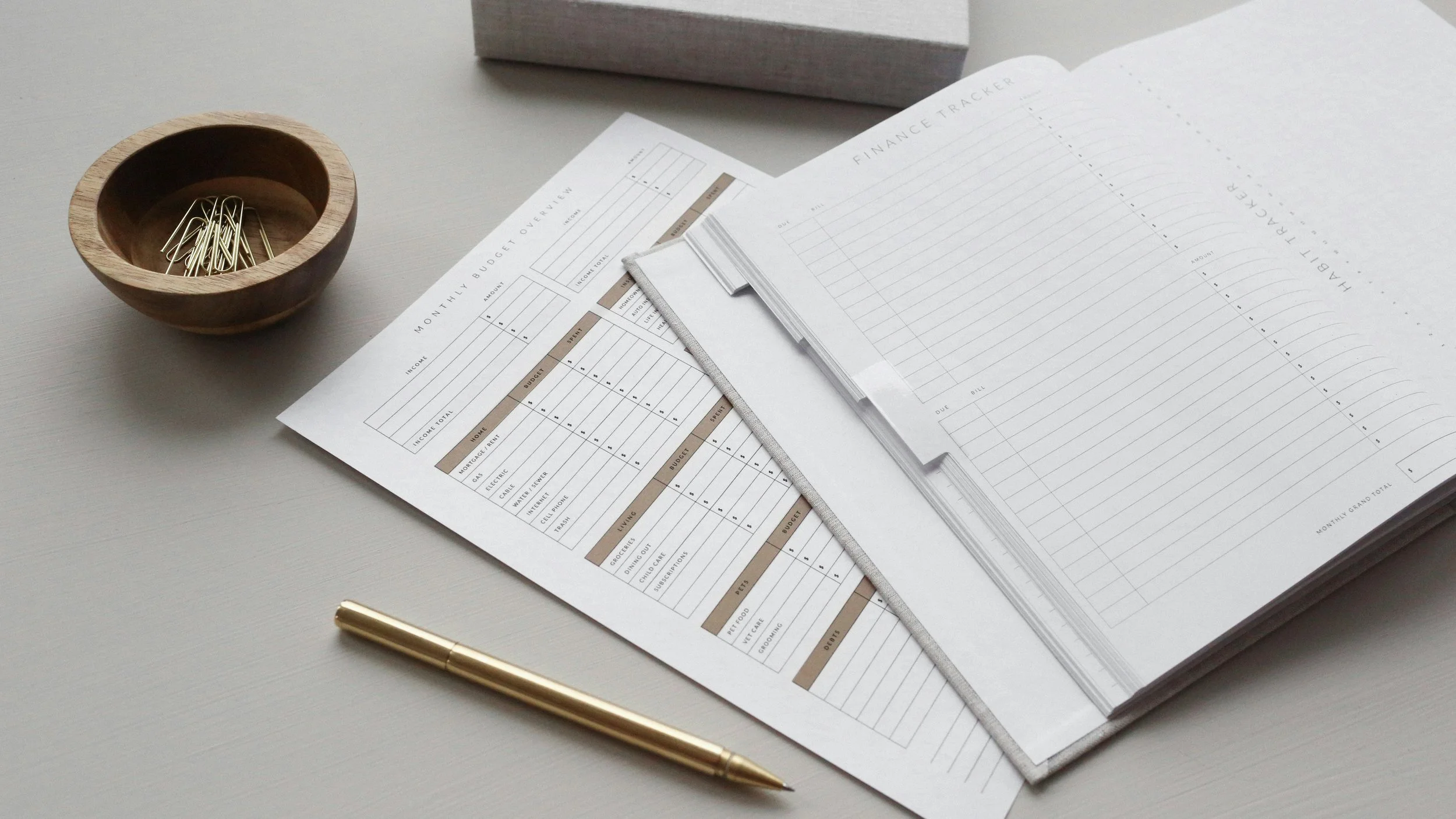
Step 1: Define the Event Objectives and Scope
Before building your event planning budget, clarify:
· The purpose of the event
· The target audience size
· The format, such as conference, seminar or networking function
· The level of experience you want to deliver
Conference budget planning varies significantly depending on the event type. A multi-day conference, for example, typically requires greater investment in audio-visual production, speaker fees and delegate catering compared with a board meeting or product briefing.
If you have hosted similar events previously, historical financial data is one of your most valuable budgeting tools. Compare projected costs with actual spend to identify recurring overruns and forecasting gaps.
Inflation-sensitive categories such as catering, labour and production should also be reviewed against current market rates before confirming projections. Updating past figures to reflect present conditions improves accuracy and supports confident decision-making.
Step 2: Identify All Income Sources
An event budget includes both expenses and income. Structured pricing strategies can significantly improve revenue forecasting and reduce financial pressure closer to the event date.
Common Revenue Sources
· Ticket sales
· Sponsorship packages
· Exhibitor fees
· Merchandise
· Grants
· Virtual access passes
Tiered Pricing Strategy
Many planners use urgency pricing:
· Early bird: 10 to 25 per cent discount
· Standard rate
· Late or on-site premium: 15 to 20 per cent higher
A well-structured pricing model supports cash flow and provides clearer revenue projections early in the planning cycle.
Step 3: List All Expense Categories
Creating a comprehensive event planner cost breakdown prevents missed items and hidden costs. Common expense categories include:
Venue Costs
Room hire
Furniture and staging
Security
Cleaning
Venue costs are often the largest component of an event budget. Clarify what is included in the hire fee, as some venues bundle staging, basic audio-visual equipment or on-site coordination, while others itemise these separately. Understanding inclusions upfront prevents unexpected cost escalations later.
Food and Beverage
• Catering per head
• Morning tea and lunch
• Gala dinner
• Beverage packages
• Special dietary requirements
• Alcohol permits
• Gratuities
Catering expenses fluctuate directly with guest numbers and service style. In our experience, underestimating food and beverage costs is one of the most common budgeting mistakes, particularly for multi-day conferences or premium gala events. Confirm minimum spend requirements and service charges early in the planning process.
Production and Technology
• Audio-visual equipment
• Lighting
• Live streaming
• Event app or registration platform
• Wi-Fi upgrades
Production requirements vary significantly depending on event scale and format. Conferences, product launches and annual meetings typically require greater investment in staging design, lighting and rehearsal time to ensure professional delivery. Technical testing and contingency planning should also be factored into this category.
Marketing and Communications
• Graphic design
• Digital advertising
• Printing and signage
• Photography and videography
Marketing expenditure supports attendance targets, sponsor visibility and post-event reporting. Align these costs with your promotional strategy and registration timeline to maximise return on investment.
Staffing
• Event coordinators
• On-site support staff
• Speakers and entertainers
• Technical crew
• Registration staff
• Security personnel
Labour costs can increase quickly, particularly if overtime, rehearsals or extended bump-in periods are required. A clear staffing schedule helps manage these expenses effectively.
Styling and Experience
• Theming
• Florals
• Furniture hire
• Guest gifts
Experience-driven elements enhance atmosphere and brand perception. However, these costs should be evaluated carefully to ensure they support the event’s objectives rather than simply increasing visual impact without measurable return.

Step 4: Factor in Contingency
No event budget is complete without a contingency allocation. Industry best practice suggests reserving 5 to 15 per cent of total projected expenses. Unexpected changes in guest numbers, supplier price increases or technical requirements can quickly affect your bottom line. Proactive budgeting in event planning ensures you are prepared.
Step 5: Estimate Costs Accurately
Get Multiple Quotes
For major expenses:
Request at least three vendor quotes
Compare inclusions carefully
Check for hidden fees
Negotiate bundled services
Early booking can reduce venue costs by 10 to 20 per cent.
Watch for Hidden Budget Killers
Common overlooked costs:
Wi-Fi upgrades
Attrition penalties
Credit card surcharges
Rush printing fees
Overtime labour
Shipping and storage
Events often exceed initial budgets by over 20 per cent due to these omissions. Careful forecasting and supplier clarification are essential to avoid preventable overruns.
Step 6: Use Event Budget Templates
Event budget templates simplify the planning process and reduce the risk of oversight. A structured spreadsheet allows you to:
• Track quotes versus actual spend
• Monitor deposits and due dates
• Compare projected and final figures
• Identify areas of overspend early
For corporate functions, a corporate event budget template is particularly useful. It often includes line items tailored to board meetings, conferences and stakeholder events. Using event budget templates supports consistent event budget management across multiple projects.
Step 7: Monitor and Update Regularly
Developing the initial budget is only the beginning. Active financial management requires ongoing review and adjustment.
Update your budget when:
• Supplier quotes are confirmed
• Guest numbers change
• Sponsors are secured
• Scope adjustments are approved
Accurate tracking ensures financial transparency and helps maintain stakeholder trust. For guidance on effective planning workflows, explore business event planning made simple.
Types of Budgets in Event Management
Understanding the types of budgets in event management helps determine the best approach for your event.
Fixed Budget
A fixed budget has a strict spending limit. This approach is common in corporate environments where funds are allocated annually.
Flexible Budget
A flexible budget adjusts according to revenue or attendance numbers. Ticketed events often use this model.
Zero-Based Budget
Zero-based budgeting requires every expense to be justified for each event. This method is useful for large-scale conferences where accountability is essential.
Selecting the right structure strengthens your event planning budget and improves decision-making.
Conference Budget Planning Considerations
Conference budget planning often involves additional complexities, such as:
• Multiple breakout rooms
• High-end audio-visual production
• Keynote speaker fees
• Delegate registrations
• Sponsor activations
Large-scale conferences also require careful scheduling of supplier payments and milestone approvals. Detailed planning prevents financial pressure closer to the event date.

Practical Tips for Event Budget Management
To maintain control of your event budget, obtain multiple supplier quotes and negotiate package inclusions wherever possible. Confirm all deliverables in writing, track deposits and final payments carefully, and review contracts thoroughly before signing.
Strong budgeting in event planning supports smarter decision-making and reduces stress throughout the process.
How to Create an Event Budget That Delivers Results
Learning how to create an event budget is about more than numbers. It is about aligning financial decisions with the event’s purpose and expected outcomes.
An effective event planning budget should reflect strategic objectives, balance experience with cost efficiency and include realistic revenue projections. It must also provide room for contingency and remain flexible enough to adapt as event requirements evolve.
Careful planning allows you to focus on delivering an exceptional guest experience without financial uncertainty.
Why Choose Hyatt for Your Next Business Event
Budget clarity is only one part of successful event delivery. The venue partner plays a critical role in translating financial planning into a seamless guest experience.
Hyatt properties across Australia and New Zealand offer flexible event spaces designed to accommodate board meetings, strategy sessions, large-scale conferences and gala dinners. Purpose-built venues, adaptable room configurations and integrated technology infrastructure support efficient event execution at every stage.
Dedicated event specialists work alongside planners to coordinate logistics, supplier access, room layouts and production requirements. Professional support reduces administrative burden and enables stronger alignment between event objectives and operational delivery.
On-site accommodation curated catering menus and premium service standards provide consistency across multi-day programs. Consolidating venue, catering and guest rooms within one location can simplify coordination and reduce external complexity.
Explore Hyatt meeting and event venues across Australia and New Zealand or submit an event enquiry with Hyatt to discuss tailored solutions.
Frequently Asked Questions
How do you calculate break-even for an event?
Add up your total event costs, then divide that figure by your revenue per attendee or income source.
Break-even point = Total costs divided by Revenue per attendee.
For example, if your total event budget is $100,000 and tickets are $500 each, you would need 200 attendees to cover costs. This calculation helps determine the minimum ticket sales or sponsorship required.
How do you prevent going over budget?
Create a detailed event-planning budget, secure written supplier quotes, and include a contingency allocation. Review actual spend regularly and require approval for any scope changes. Consistent tracking is key to strong event budget management.
What are common hidden event costs?
Common hidden costs include overtime charges, delivery fees, public holiday surcharges, security, insurance, transaction fees and rehearsal time. A thorough event planner cost breakdown reduces surprises.
What is the 60/30/10 rule in event budgeting?
The 60 30 10 rule is a simple budgeting framework used in some event management budgets. It suggests allocating:
60 per cent to core experience elements such as venue, catering and production
30 per cent to marketing, staffing and operational costs
10 per cent to contingency
While not suitable for every event, this guideline can assist with early-stage budgeting in event planning and provide a high-level structure before refining line items.
How do you manage event cash flow?
Managing cash flow is different to managing total spend. An event may be profitable on paper but still experience financial pressure if payment timing is not planned carefully.
Track deposit deadlines, progress payments and final balances in your event planning budget. Align supplier payment schedules with incoming revenue, such as ticket sales or sponsorship instalments. Maintaining a cash flow forecast alongside your event budget ensures you can meet financial obligations at every stage.
What are the common budgeting mistakes to avoid?
Several mistakes can weaken your event budget management:
Underestimating catering and labour costs
Forgetting contingency allocation
Relying on outdated supplier pricing
Failing to track actual spend against projections
Ignoring GST implications
Not reviewing historical event data
Understanding how to create an event budget properly reduces these risks and supports stronger financial outcomes. Careful planning, regular review and detailed forecasting remain the foundations of successful event planning and budget control.