
How to Plan a Gala Event
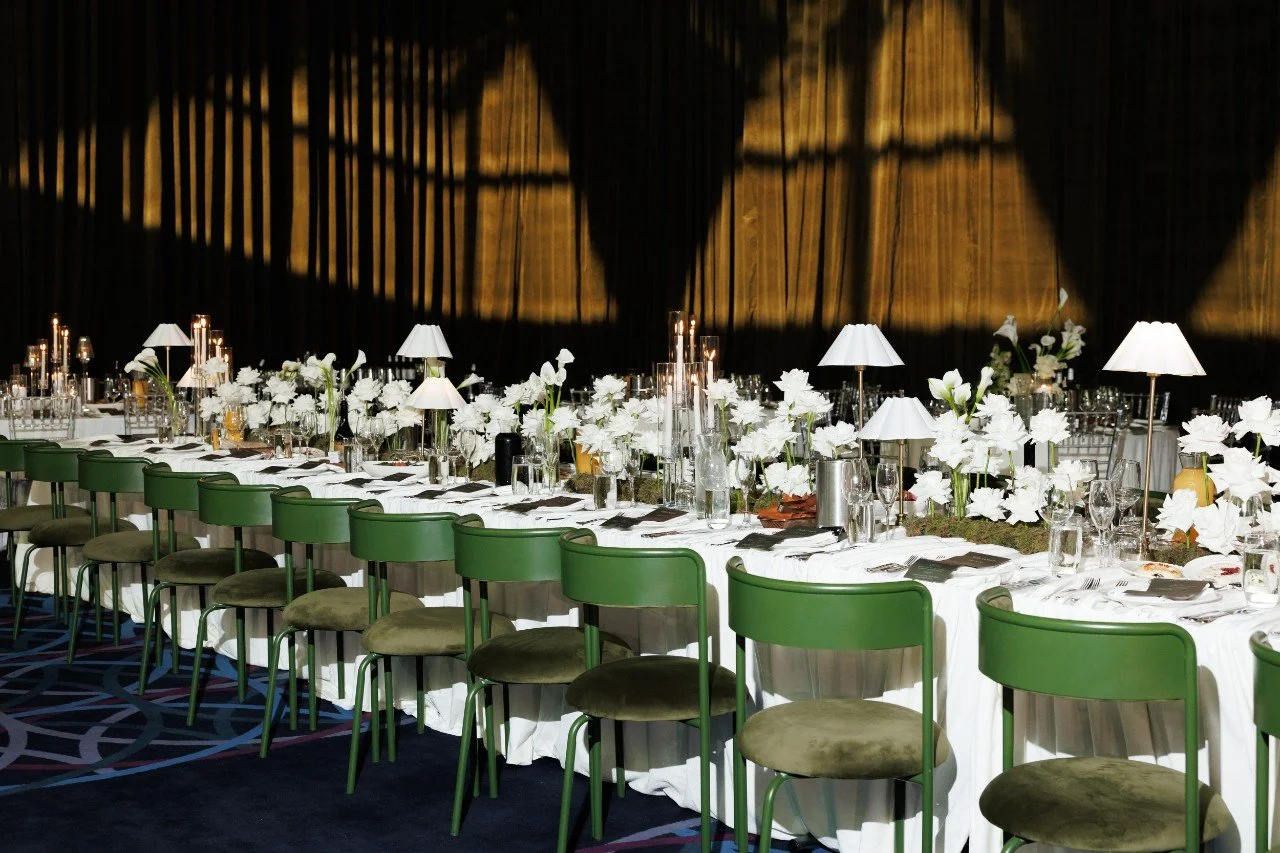
Planning a gala event can involve hundreds of moving parts, from securing the right venue and entertainment to managing guest experience, sponsorships and budgets. Corporate galas celebrate annual achievements, fundraising galas raise vital funds, and black-tie awards ceremonies honour industry leaders. Across all formats, a well-executed gala creates lasting impressions and drives meaningful outcomes.
A gala event is not something that happens in a few weeks. The most successful events, corporate or charity, typically begin the planning process nine to twelve months in advance. The earlier you start, the more flexibility you have with venues, vendors and creative direction.
Every stage of gala planning is covered here, from defining objectives to delivering a memorable night that your guests will talk about long after the last course is served.

Define the Purpose of Your Gala Event
Before a single venue is visited or a caterer is contacted, the foundation of your gala must be set: its purpose.
The purpose shapes every decision that follows. A corporate gala event focused on client entertainment has very different priorities from a charity gala raising funds for a healthcare organisation. Getting clarity here ensures your budget, program and venue selection all work toward the same goal.
For Corporate Gala Events
Celebrate company milestones or annual performance
Recognise and reward employees or clients
Strengthen relationships with key stakeholders
Launch a new product, brand or campaign
Align leadership and teams around strategic priorities
For Fundraising and Charity Galas
Achieve a specific fundraising target
Raise awareness for a cause or campaign
Steward existing donors and attract new supporters
Recognise sponsors, volunteers and contributors
Once the purpose is defined, clarify your audience. Who is in the room? How large is the guest list likely to be? What do they expect from the experience? These answers will directly inform format, venue size and program structure.
Budget planning follows naturally from purpose and audience. Determine a realistic total budget early, even as a range, so venue and vendor conversations can begin with meaningful parameters. A well-structured event budget separates fixed costs from variable costs and always includes a contingency buffer of five to fifteen per cent.
Choose the Right Venue for Your Gala
The venue is the single most consequential decision in gala planning. It sets the tone for the entire event, shapes the guest experience and influences everything from catering to production requirements. When evaluating venues for a gala dinner, consider the following.
Capacity and Layout
Ensure the space comfortably accommodates your guest list with room for dining tables, a stage or podium, dance floor and service areas. A room that is too large can feel empty and impersonal; one that is too small creates discomfort and limits flow.
Ballroom and Hotel Venues
Dedicated ballrooms within full-service hotels are among the most popular fundraising gala venue options for good reason. They offer purpose-built event infrastructure, professional event teams, on-site catering and guest accommodation all under one roof. For planners coordinating interstate or international guests, a hotel venue streamlines logistics considerably.
Accessibility
Consider proximity to public transport, airport connections and parking availability. For evening events with guest accommodation requirements, a venue with on-site rooms eliminates logistical complexity for guests travelling from out of town. Hyatt properties in Melbourne and across Australia and New Zealand offer on-site accommodation alongside event spaces, removing that coordination layer entirely.
Audio-Visual and Technology Capabilities
Gala events frequently involve presentations, live entertainment, video content and high-quality sound systems. Confirm the venue’s built-in AV capabilities and determine what additional production equipment will be required. Venues with integrated technology infrastructure reduce both cost and complexity.
Indoor and Outdoor Flexibility
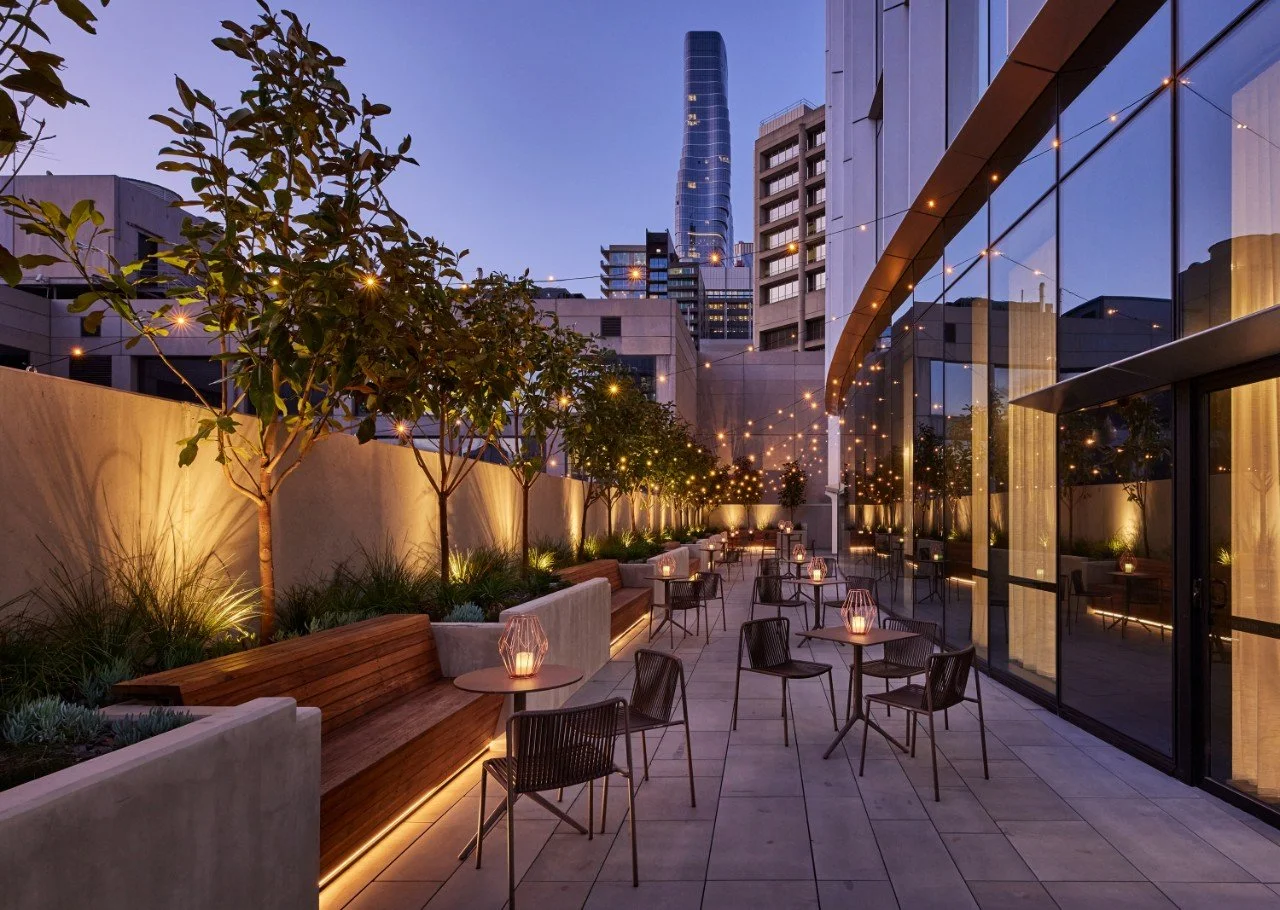
Some galas incorporate outdoor welcome receptions, terraces or garden spaces for pre-dinner drinks. If this is part of your program vision, confirm the venue can support both indoor and outdoor use, with contingency plans for weather.
Catering Options
Confirm whether the venue provides in-house catering or requires external suppliers. Hotel venues typically offer flexible catering packages with dedicated executive chefs and the ability to accommodate dietary requirements at scale. This integration simplifies planning and ensures consistent quality across all food and beverage elements.
For planners evaluating options, Hyatt event venues across Australia and New Zealand bring together ballroom and event spaces, in-house catering and on-site accommodation under a single coordinated team, a practical advantage for galas with large guest lists, interstate attendees or multi-day programs.
Build a Gala Planning Timeline
A structured timeline is the backbone of any successful event. Gala planning involves dozens of interdependent decisions, and without a clear schedule, critical tasks can fall through the gaps. Here is a practical framework.
9 to 12 Months Before the Event
Define the event purpose, objectives and target audience
Confirm the approximate guest count and budget range
Research and shortlist fundraising gala venues or corporate gala dinner venues
Inspect and secure your preferred venue with a signed contract
Establish a planning committee with clearly defined responsibilities
Begin identifying potential sponsors, major donors or key speakers
6 Months Before the Event
Confirm catering style and initial menu direction
Book entertainment, keynote speakers or performers
Engage AV, lighting and production suppliers
Develop and launch the event invitation or registration process
Finalise sponsorship packages and begin outreach
Arrange guest accommodation blocks if required
3 Months Before the Event
Lock in the gala dinner program, run sheet and timing
Finalise menus and confirm dietary requirements
Develop seating plans and table configurations
Confirm all vendor contracts, delivery schedules and logistics
Brief all event staff and suppliers on roles and expectations
Finalise auction items, donor recognition segments or award categories
Event Week
Conduct a full venue site visit and production rehearsal
Review the run sheet with all key stakeholders
Confirm final guest numbers and update seating accordingly
Brief on-site event staff and review emergency procedures
Complete final communications with guests, including location, parking and dress code
How to Plan a Gala Dinner Program
The program is where your event vision comes to life. A well-structured gala dinner typically runs three to five hours and moves guests through a sequence of experiences designed to entertain, engage and inspire.
A standard gala dinner program might look like this:
Welcome reception and pre-dinner drinks (45 to 60 minutes)
Guests invited to take their seats (15 minutes)
Welcome address from host or MC (10 minutes)
Entrée service
Keynote address, presentation or entertainment segment (20 to 30 minutes)
Main course service
Awards ceremony, auction or fundraising segment
Dessert and coffee service
Post-dinner entertainment or dancing
Formal close and guest departure
When planning a gala dinner, build in natural transitions between program elements. A skilled Master of Ceremonies (MC) is invaluable in maintaining pace and keeping guests engaged. Brief your MC thoroughly and share the full run sheet well in advance.
For fundraising galas, the sequencing of your key fundraising moments, silent auction, live auction, major donor appeals or pledge segments, matters significantly. Strategic placement within the program, often immediately after the main course when energy and engagement are highest, tends to produce stronger results.

Entertainment and Guest Experience Ideas
Memorable gala events are defined by moments. The entertainment and experience elements you choose should reflect the purpose of the event and the expectations of your audience.
For Corporate Gala Events
A keynote speaker aligned with your industry or theme
Awards ceremony recognising employee, client or partner achievements
Live music, jazz band or string quartet during dinner service
Interactive photo or experience activation for social content
Networking facilitation activities or structured mingling segments
Branded centrepieces, lighting and signage reinforcing company identity
For Fundraising Gala Themes
Live and silent auction with compelling, unique items
Impact storytelling through video, guest speakers or beneficiary presentations
Donor recognition moments celebrating major contributors publicly
Interactive pledge walls or digital donation stations
Entertainment that connects emotionally to the cause
Post-event follow-up, including impact reports and thank-you communications
The most effective fundraising gala themes create an emotional connection between guests and the cause. Every element, from table styling to entertainment selection, should reinforce the story you are telling and the mission you are advancing.
Tips for Planning a Gala Dinner Fundraiser
Planning a gala dinner fundraiser requires an additional layer of strategy beyond a standard corporate event. Revenue generation must be thoughtfully designed into every aspect of the program.
Develop Tiered Sponsorship Packages
Create clearly structured sponsorship tiers, for example, platinum, gold and silver, with distinct naming rights, branding visibility and guest entitlements at each level. Early engagement with potential sponsors gives them time to incorporate the gala into their planning cycles.
Design Multiple Donation Touchpoints
Do not rely on a single fundraising moment. A well-planned charity gala combines pre-event ticket and table sales, silent auctions, a live auction, a major donor appeal segment, and post-event follow-up communications. Each touchpoint targets a different segment of your audience.
Silent Versus Live Auctions
Silent auctions work well for a broader range of items and allow guests to bid at their own pace throughout the evening. Live auctions are more effective for high-value lots and create moments of excitement and competition in the room. Most successful fundraising galas incorporate both formats.
Use Impact Storytelling
Data moves minds; stories move hearts. Incorporate a compelling narrative about the impact of previous donations or the urgent need your organisation is addressing. A three-minute video, a guest speaker who has personally benefited from your work, or a brief address from a program participant can transform a standard evening into a genuinely moving fundraising experience.
Follow-Up Strategy
The fundraising gala does not end when the room empties. A structured follow-up process, including personalised thank-you messages, tax receipts issued promptly, impact updates and save-the-date communications for the following year, sustains donor relationships and supports long-term fundraising success.
Common Gala Planning Mistakes to Avoid
Even experienced event planners encounter challenges with gala events. Being aware of common pitfalls helps you plan more effectively and avoid costly surprises.
Waiting too long to secure your venue. Premium event spaces book quickly, particularly in cities such as Melbourne, Sydney and Auckland. Beginning venue conversations twelve months out is not excessive for a major gala.
Underestimating AV and production costs. Audio-visual production is consistently one of the most underbudgeted categories. Request detailed production quotes early and factor in rehearsal time.
Ignoring guest flow and comfort. How guests move through the space, from arrival to dinner to departure, significantly affects their experience. Walk the venue and map the journey before finalising the room configuration.
Weak supplier communication. Clear, written briefs and regular check-ins reduce the risk of misalignment on the day. Assume nothing; confirm everything in writing.
No contingency plan. Technical failures, supplier cancellations and unexpected guest number changes can all occur. A contingency budget and backup plans for critical elements protect the event.
Neglecting the post-event wrap. For fundraising galas, particularly, failing to follow up promptly with donors, sponsors and guests undermines the return on your event investment.
Create a Memorable Gala Experience
Every detail of a gala, from the moment guests arrive to the final farewell, contributes to the overall impression. The most memorable events are those where the guest experience has been considered at every stage.
Invest in the arrival experience. The welcome reception sets the tone for the entire evening. Thoughtful greeting, ambient music, elegant styling and well-briefed staff signal to guests immediately that this is a premium event.
Curate the sensory environment. Lighting, music, scent and table styling all contribute to atmosphere. Work with your venue and production team to ensure every sensory element supports the event theme and brand.
Brief every team member. Event staff who are uncertain, unhelpful or unfamiliar with the program can undermine even the most beautifully designed event. A thorough staff briefing ensures consistent, professional delivery from every person in the room.
Capture the moments. Professional photography and videography extend the life of your event well beyond the evening itself. Content from a well-documented gala supports future marketing, sponsor reporting and donor engagement.
Explore flexible event spaces and tailored experiences designed for corporate celebrations, gala dinners and fundraising events at Hyatt Meetings and Events. Our dedicated event specialists are available to support your planning at every stage, from initial concept through to event-day delivery.
Frequently Asked Questions
What is a gala event?
A formal event for celebrating achievements, fundraising, networking, or strengthening relationships, often including dinner, entertainment, and presentations.
How do you set up a gala event?
Define the purpose and budget, book a venue early, secure suppliers, and finalise a detailed event schedule with clear logistics.
How much does a gala event cost?
Costs depend on venue, guest numbers, catering, entertainment, and production. For 100 guests, expect roughly $30,000–$100,000+, plus a 5–15% contingency.
How do you plan a fundraising gala?
Set a fundraising target and build in sponsorships, ticket sales, auctions, donation moments, and strong storytelling throughout the event.
What should be included in a gala dinner program?
Include a welcome reception, dinner, speeches or MC segments, entertainment, key presentations, and a closing segment.
What makes a successful charity gala?
Strong storytelling, meaningful donor engagement, multiple fundraising opportunities, quality event experience, and effective follow-up.
How long should a gala dinner last?
Most run 3–5 hours, including pre-dinner drinks, the formal program, and optional post-event entertainment.
What is the difference between a gala and a gala dinner?
A gala is any formal high-profile event; a gala dinner is specifically a seated evening event with dining and entertainment.
How do you make a gala more fun?
Add interactive elements like live auctions, themed experiences, entertainment surprises, and engaging hosts.
What are good gala themes?
Popular themes include black-tie, Great Gatsby, masquerade, garden party, destination, or cause-based concepts.
What activities happen at a gala?
Typical activities include networking, dinner, speeches, awards, entertainment, auctions, and dancing.
What is appropriate to wear to a gala?
Most galas require black-tie or cocktail attire. Always communicate the dress code clearly.